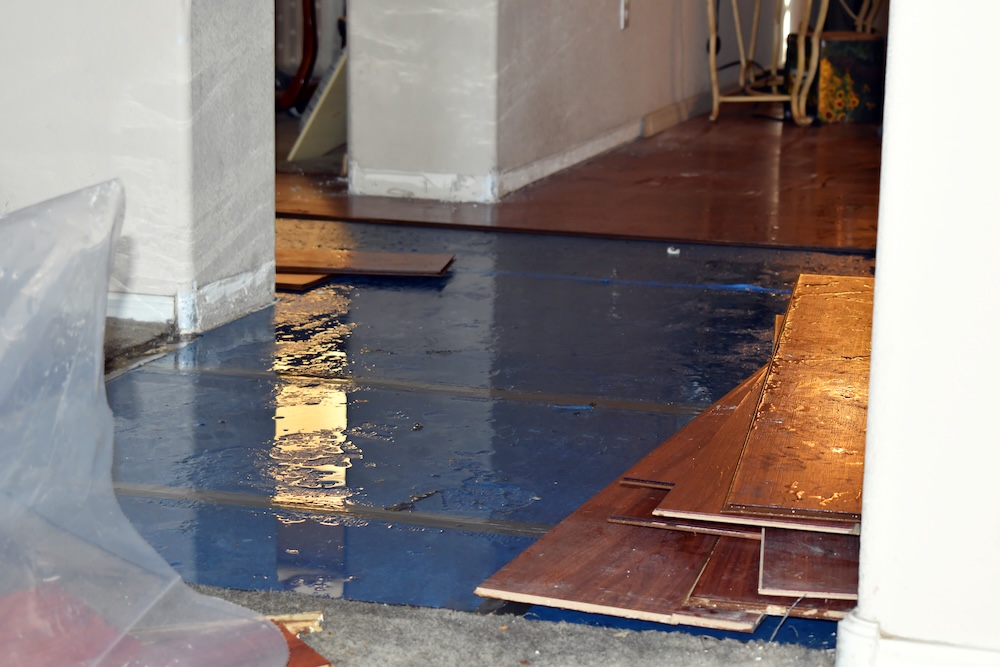
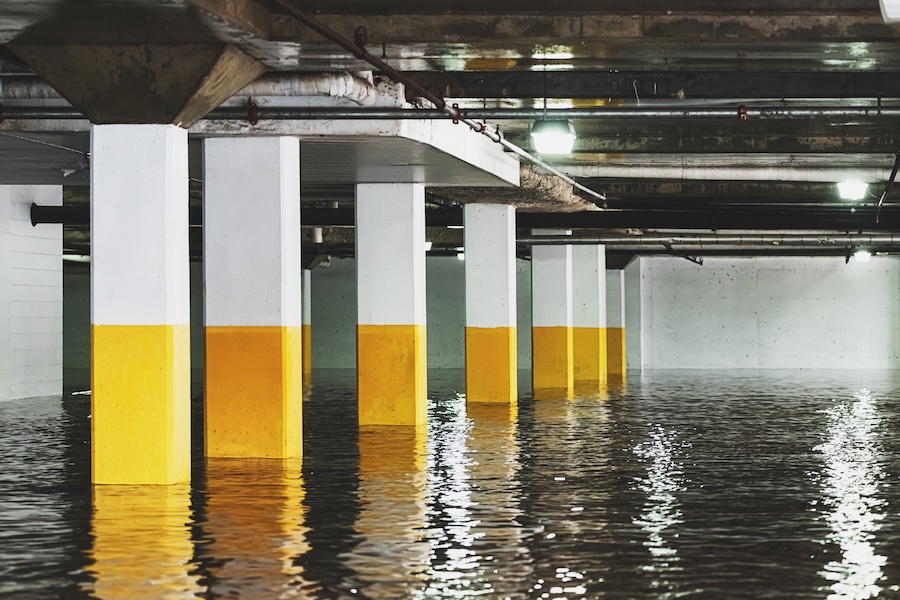
Homes with water damage provide dangerous indoor air quality. Low to moderate amounts of moisture in your home may create air quality issues that can affect your health. The effects of excess moisture on the air you breathe and that of your family are much greater than visible water damage.
Most homeowners in Baltimore see only the visible effects of their water-damaged homes, which are typically wet floors, stained ceilings, and broken walls. Although the visible effects of water damage receive much more attention than any other type of damage to a home, the most severe effects of water damage occur under the roof and are not visible.
In Baltimore, many homes experience significant humidity, older infrastructure, and several seasons of storms, and therefore are at an increased risk for water damage, which is a significant source of indoor air quality problems. For homeowners researching Residential Water Damage Restoration in Baltimore, understanding the relationship between moisture and the IAQ of a home is crucial to protecting the homeowner’s property and the health of the homeowner’s family.
The Importance of Indoor Air Quality After Water Damage
The IAQ of indoor air has a major impact on a person’s overall health and comfort. Poor IAQ may cause respiratory problems, allergies, fatigue, and health problems that continue long after the activating factor has been removed.
When water damage has occurred, it introduces an excess amount of moisture into the indoor environment, creating conditions that are conducive to the growth and development of contaminants. The continued presence of these contaminants may exist long after surfaces appear dry without professional services provided by Residential Water Damage Baltimore.
How Water Damage Will Impact the Quality of Air in Your Home
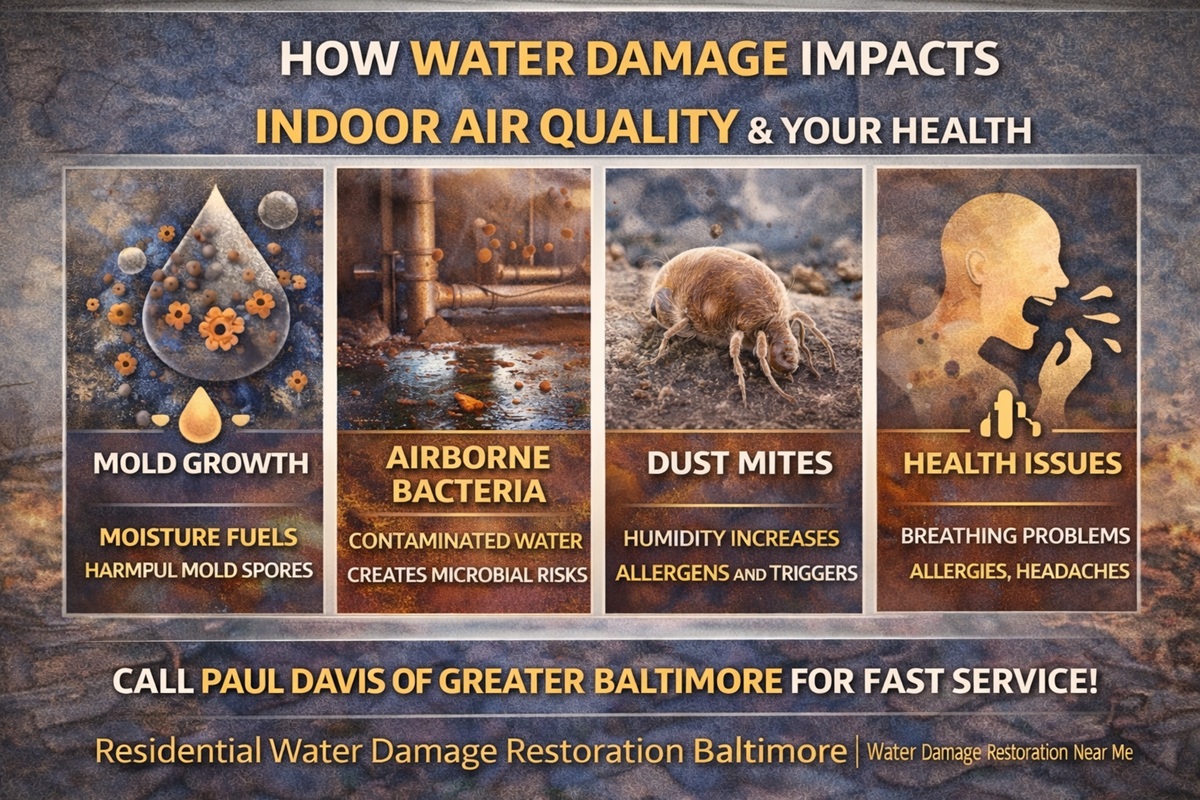
The impact of water entering a home is not isolated to one area of the house. Many porous materials, such as drywall, carpets, insulation, and wood framing, absorb moisture from the air or create excess humidity in the home, resulting in higher-than-normal humidity levels. High humidity allows the growth of bacteria, molds, and dust mites, which negatively impact indoor air quality for your family.
Water damage can be one of the most common and dangerous sources of exposure to mold spores. While mold spores are always present in the environment, they will not become active until they come into contact with moisture, allowing mold to grow and reproduce.
When mold is allowed to grow, it creates spores and other microscopic particles. These particles can negatively affect indoor air quality. Therefore, removing mold spores typically requires the services of a professional mold remediation company.
Respiratory illnesses can be caused by water damage and are particularly dangerous for children, seniors, or anyone with asthma or a weakened immune system. Responding to a water problem quickly helps prevent mold growth and exposure to noxious contaminants that affect these vulnerable groups.
All Water Damage Events May Contain Bacteria and Microbial Contaminants
During any water damage event, not all the water involved is clean. Examples include water from a washing machine, sewer backup, or rainstorm. All such water contains some level of bacterial or microbial contamination; therefore, when water dries, and microscopic particles become airborne, they can be inhaled into your lungs.
Professional residential water damage services in Baltimore provide air filtration and sanitization processes to remove airborne contaminants from your home.
Dust Mites Also Live in Moist Conditions
Dust mites are small arthropods that thrive in warm, damp areas. Using water to regulate humidity inside a home can lead to an increase in dust mite populations.
Dust mite waste is a well-known indoor allergen and may exacerbate asthma and allergy symptoms. To restore healthier indoor air quality, moisture must be completely dried, and humidity must be properly controlled.
Allergies (How the HVAC System Spreads Airborne Contaminants)
The HVAC system is responsible for circulating indoor air. When water damage occurs, it allows mold spores, moisture, and contaminants to enter the ductwork.
Once introduced into the HVAC system, these contaminants become airborne and enter the home’s atmosphere every time the system operates. Therefore, most professional Water Damage Restoration Near Me companies offer HVAC inspection and cleaning to help eliminate additional airborne contamination.
“Musty” Odors Indicate Poor Air Quality
Musty or damp-smelling odors are often the first sign of an air quality problem caused by water damage. These odors may indicate mold growth or bacteria inside walls or beneath floors.
Air fresheners will not eliminate the source of odors. A professional restoration company will identify the cause and treat underlying moisture and contaminants to restore breathable indoor air quality.
Building Materials’ Effects on Air Quality After Water Damage
Many building materials release particulates into the air when damaged by moisture. Drywall, insulation, and wood can break down and release fibers and dust particles into the indoor environment.
Over time, this creates unhealthy indoor air quality and respiratory concerns. If flooding or significant water damage has occurred, some materials may require replacement. Professional Water Damage Restoration Baltimore specialists can identify damaged materials and guide the restoration process. Certified professionals understand which materials can be cleaned and sanitized and which must be replaced.
Drying a home after flooding using only fans or household dehumidifiers does not safeguard indoor air quality. These methods may remove surface moisture but fail to address hidden dampness beneath carpets, behind walls, or inside furniture. Professionals use high-powered extraction equipment, moisture meters, air movers, dehumidifiers, and air scrubbers to remove contaminants and moisture effectively.
Questions About Water Damage and What It Means for Indoor Air Quality
Will my indoor air quality change if I dry out the damage myself?
Yes. Hidden moisture and mold can continue affecting indoor air quality if not professionally treated.
How long does it take for mold to affect indoor air quality?
Mold can begin releasing spores within 24 to 48 hours after moisture exposure.
Will I always notice indoor air quality problems after water damage?
No. Airborne contaminants may cause health symptoms before visible signs appear.
Can my HVAC system worsen indoor air quality after water damage?
Yes. Mold spores and bacteria can spread through contaminated ductwork.
Should I hire professionals to restore indoor air quality?
Yes. Proper drying, cleaning, and air filtration significantly improve indoor air quality.
Final Thoughts: Choose Experts for Reliable Damage Restoration
Water damage affects more than just your home’s structure. Mold spores, bacteria, humidity, and allergens can seriously impact indoor air quality. Understanding this connection allows homeowners to act quickly and protect their families’ health. Professional restoration ensures proper drying, contaminant control, and restoration of safe indoor air quality.
Paul Davis of Greater Baltimore provides Residential Water Damage Restoration Baltimore services to help homeowners protect their homes and maintain healthy indoor air quality. Our trained professionals specialize in moisture detection, advanced drying, air quality control, and full-service restoration.
Whether facing visible water damage or hidden moisture affecting indoor air, Paul Davis of Greater Baltimore delivers professional Residential Water Damage Baltimore services to restore your home to a safe and healthy condition. Contact us today to schedule a restoration consultation.