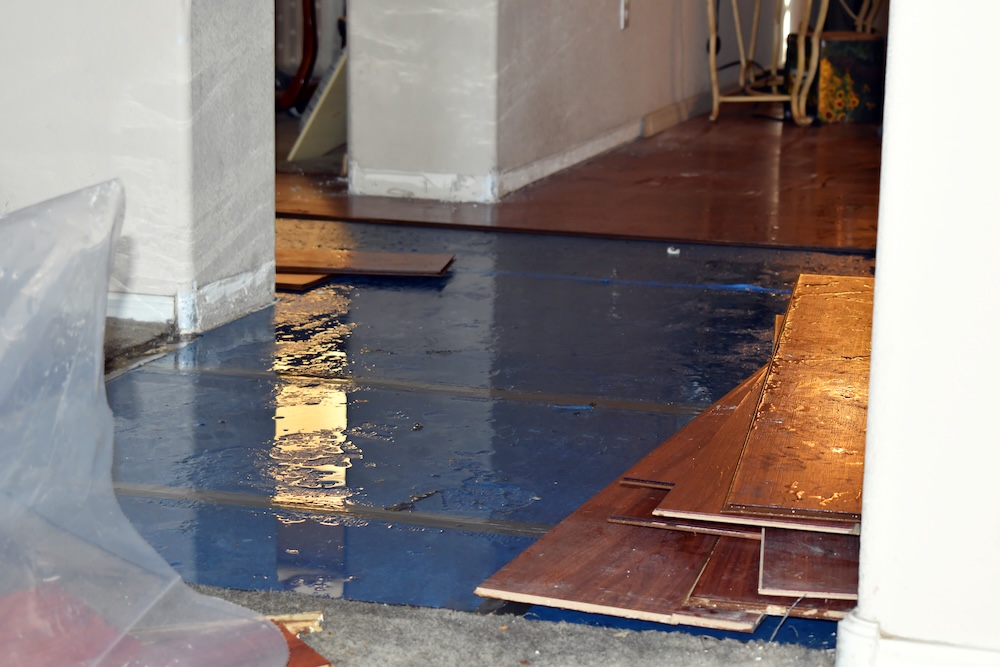
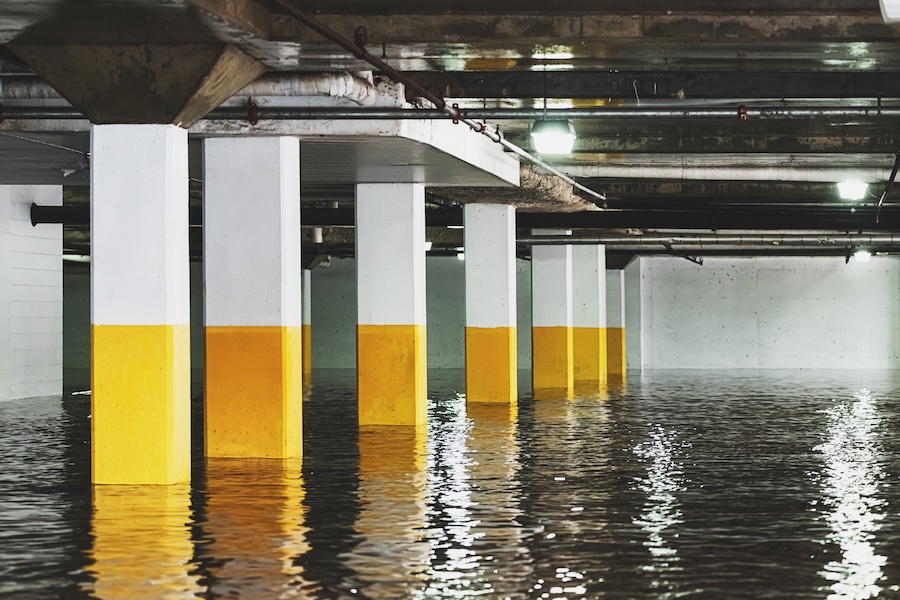
Water damage is among the most insidious forms of home damage. While a burst pipe or obvious flooding is easy to spot, hidden water damage often goes unnoticed behind walls, beneath floors, or above ceilings, causing rot, mold issues, and structural damage.
The Insurance Information Institute claims that water damage is in the top five causes of homeowners’ insurance claims in the U.S., representing almost 29% of all claims per year. In cities like Baltimore, where the summers are humid and rain comes down quickly, it’s especially important to identify hidden water damage early.
This blog is intended to inform homeowners in Baltimore about how to identify hidden water damage early, learn about the potential risks, and understand when to rely on professionals. In a residential or commercial space, having this knowledge in your arsenal can save thousands of dollars in water damage restoration in Baltimore.
Why Hidden Water Damage Can Be a Problem
Hidden water damage may go undetected for weeks or even months. Unlike visible flooding, it doesn’t show immediate signs. Ultimately, though, this hidden problem can lead to:
- Mold and mildew
- Wood rot and degradation of structural components
- Electrical system damage
- Pests (moisture attracts termites and ants)
- Lower indoor air quality and increased health risks
In a coastal city like Baltimore, homes are especially vulnerable to damage from storm surges, aging infrastructure, or weather-driven humidity changes. This is why it’s particularly important to identify water damage as soon as possible.
Common Causes of Hidden Water Damage
Before determining a possible cause of water damage, it helps to know where to look for the damage. Below are some sources of water damage:
- Plumbing leaks in walls, around toilets, and under sinks
- Roof damage that allows slow leaks into attics or ceilings
- Gutters or downspouts are completely clogged, which routes water directly into siding or foundations
- Condensate from HVAC systems in basements or crawl spaces
- Appliances (like washing machines and dishwashers) are leaking underneath the floor
Even a tiny leak can become a major issue if left unseen. Anytime there is a major storm or plumbing issue, it is worthwhile to check your home for damage.
Also Read: Common Causes of Water Damage in Baltimore Homes and How to Prevent Them
Telltale Signs of Hidden Water Damage
The following clues can help you determine a potential hidden issue sooner rather than later:
- Musty Smell
Almost always, the first sign of moisture, especially in basements, attics, or behind walls, is a foul, musty, or moldy smell. Even when there is no visual evidence, odors often indicate microbial growth behind walls due to a leak.
- Discoloration or Staining on Walls and Ceilings
Yellow, brown, or copper-colored stains will indicate moisture penetration.
- Peeling Paint or Bubbling Wallpaper
Moisture behind drywall can result in peeling paint and bubbling wallpaper. If you see separation in the walls or if the wallpaper appears wet to the touch, water is likely penetrating from behind.
- Warped and Buckled Floors
Moisture can loosen laminate, wood, or carpet flooring and cause warping or buckling. Warped, raised, or soft spots on your floors could mean there is pooling or leaking below.
- Mold Growth
If you see mold anywhere in your home, the potential for unseen moisture inside your walls or ceilings is high. Even a small amount of mold growth or spotting warrants attention and may indicate water intrusion.
- Spike in Water Bills
If your water bill is abnormally high and your water usage hasn’t changed, there may be a hidden water leak present. This is especially common in older homes with aging pipes and plumbing.
What to Do If You Suspect Hidden Water Damage
- Conduct Your Inspection
Start by familiarizing yourself with the signs and warnings above. Use a flashlight in dark areas, look behind furniture, and don’t ignore strange smells or sounds.
- Use Moisture Meters
Moisture meters are inexpensive and available at most hardware stores. This tool can identify moisture behind walls and under flooring without causing damage.
- Call a Professional
If you see signs or are unsure, call a professional. A water damage restoration expert near me is better equipped to assess the situation. Certified technicians use thermal imaging and moisture detection tools to discover hidden moisture in difficult locations.
When Should You Hire a Professional Restoration Company?
If the damage is widespread, recurring, or involves mold, it’s time to call in professionals. Always look for a licensed and insured commercial water damage restoration company in Baltimore that offers both detection and repair services.
Depending on the severity of the damage, a professional team will:
- Inspect thoroughly
- Extract moisture safely
- Repair damage to structures and materials
- Use industrial drying equipment to prevent mold
- Work with your insurer to assist with your claim
It’s always safer to work with a certified provider who will get the job done right the first time.
Preventing Future Hidden Water Damage
Detection is key, but prevention is even better. Here are some practical tips for homeowners in Baltimore:
- Check your roof throughout the year, especially after heavy rain or snow
- Clean gutters and downspouts every season
- Inspect windows and exterior doors for damaged seals
- Replace old plumbing with leak-resistant materials
- Use dehumidifiers in high-humidity areas like basements
- Have a professional inspect your home annually for leaks or warning signs
If you own a commercial property and have experienced a storm or pipe break, choosing Commercial Water Damage Restoration in Baltimore can provide a timely response and protect your commercial assets.
Final Thoughts
Hidden water damage can destroy a home, but it can often be prevented or managed if caught early. When you recognize the signs, inspect vulnerable areas, and act quickly, Baltimore homeowners can avoid severe and costly damage. Whether it’s due to a recent storm, outdated plumbing, or just for peace of mind, proactive detection and repair will save you in the long run.
If you’ve noticed stains, mold, strange odors, or a spike in your water bill, call a trusted expert in emergency water damage repair in Baltimore right away to assess your situation before it worsens.
Paul Davis of Greater Baltimore is a trusted local leader in Water Damage Restoration and Emergency Property Recovery Services. With decades of combined experience serving property owners and businesses throughout Baltimore, our specialists know how to find hidden water damage and eliminate it.
Whether you need residential damage repair or full-service Water Damage support, Paul Davis provides fast, honest, and high-quality work.
Our team uses industry-leading equipment and certified technicians to return your property to its pre-loss condition, safely and quickly. We are committed to restoring and protecting what matters most to you.
If you need help, contact us right away, and we’ll restore your peace of mind, room by room.